
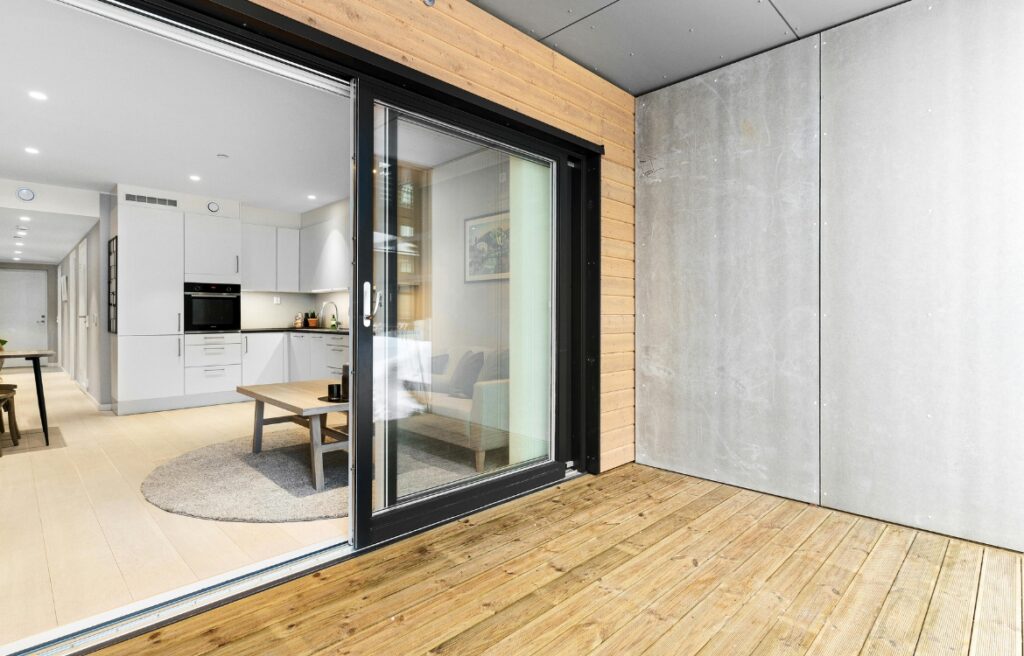

Sliding doors are widely used in Australian homes to link indoor areas with outdoor spaces. They allow natural light and access but are difficult to cover with standard window treatments. Shutters provide a suitable solution by offering privacy, light control, and insulation while keeping the doorway usable.
The main issue is scale. Sliding doors are larger and used more frequently than standard windows, so shutters must be durable, smooth to operate, and designed for repeated use. Track shutters and panel systems have been developed for this purpose, giving reliable function while reducing heat, glare, and external noise.
The most suitable option depends on how the door is used. High-traffic entryways are better suited to track shutters, while large panels are often selected for modern interiors that need wide coverage. Assessing usage and household needs ensures the shutters perform well and remain practical over time.
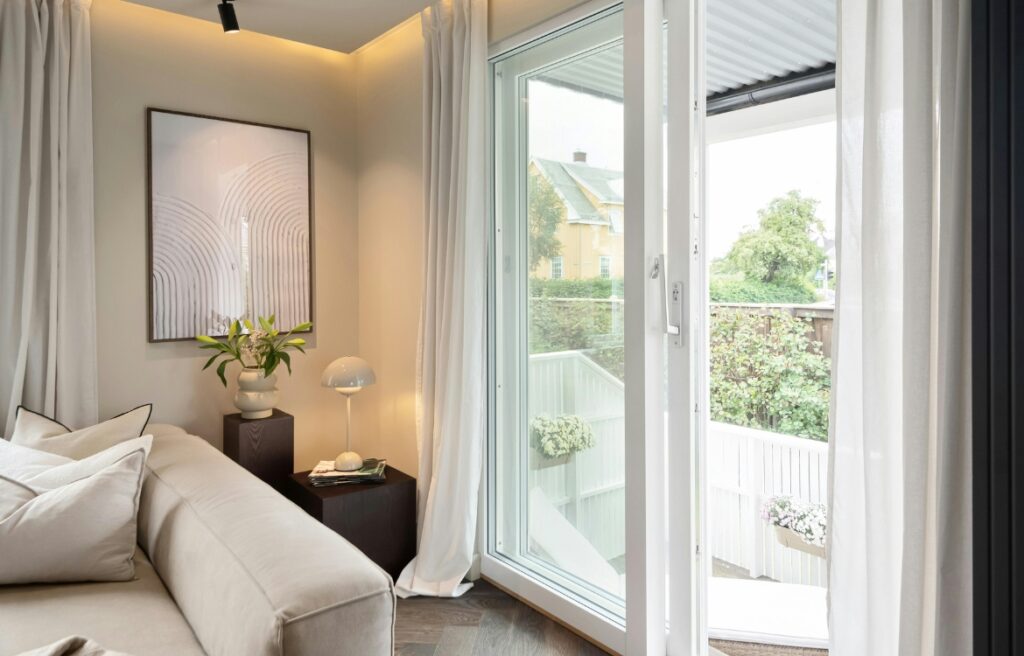
Why Sliding Doors Need Special Consideration
Sliding doors require specific shutters because they are larger, heavier, and used more often than standard windows. Ordinary designs may block access, wear out quickly, or fail to provide full coverage.
Key factors that must be addressed include:
- Size, since sliding doors often span several metres and need shutters that remain stable without sagging
- Usability, as high-traffic doorways require shutters that move smoothly and do not obstruct entry
- Light and privacy control, allowing adjustment to manage glare and visibility at different times of day
- Insulation, as large glass areas can transfer heat and raise energy costs if not properly covered
These demands mean not all shutters are appropriate for sliding doors. Track systems and larger panel designs are built to handle wide openings and frequent use, making them more reliable choices. Selecting shutters that meet these requirements ensures the door remains functional while also improving comfort and efficiency in the home.
Popular Shutter Types for Sliding Doors
Sliding doors need shutters that balance coverage with usability. The table below outlines the main options and their common uses:
| Shutter Type | Key Features | Best Use Case |
| Bypass track shutters | Panels move on parallel tracks, weight spread evenly | Wide openings needing smooth movement |
| Bi-fold track shutters | Hinged panels fold neatly to one side | High-traffic doors where full access is needed |
| Fixed panel shutters | Permanent screen effect, no moving parts | Secondary doors needing shade or privacy |
| Sliding panel shutters | Large panels glide on tracks with a modern look | Contemporary spaces with wide glass surfaces |
Each design provides reliable coverage for large doors while keeping entry points functional. The choice depends on door size, frequency of use, and the style of the home.
Comparing Panel and Track Options
Shutters for sliding doors are generally grouped into two categories: panel systems and track systems. Each has features that suit different spaces and levels of use.
Panel shutters are made with larger sections that provide straightforward coverage across wide glass doors. They are simple to operate and can also improve security by adding a solid barrier. In modern interiors, they are often chosen for their clean appearance.
For households wanting a more flexible alternative, panel glides offer a similar style with easy sliding operation, making them a practical option for wide openings.
Track shutters are better suited to frequent use. Because they move along tracks, they cover very wide areas without becoming too heavy to handle. This makes them reliable for sliding doors that function as the main entry to patios or outdoor living spaces.
The choice depends on how the door is used. Track shutters are practical for daily access, while panel-based options, including panel glides, suit spaces where design and straightforward coverage are the priority.
Additional Benefits of Shutters for Sliding Doors
Shutters do more than provide privacy and coverage. They also add functional benefits that improve comfort and protect the home. Key advantages include:
- Temperature control that reduces heat loss in winter and blocks excess heat in summer
- Noise reduction by creating an extra barrier against traffic, neighbours, or outdoor activity
- UV protection that prevents fading of floors, carpets, and furniture from direct sunlight
- Low maintenance with durable finishes such as aluminium or PVC that are easy to clean
These features make shutters a reliable choice for sliding doors, particularly in homes where energy efficiency, comfort, and durability are priorities. Selecting the right design allows households to benefit from both improved performance and a consistent appearance across indoor and outdoor areas.
Choosing the Right Shutter for Your Home
The best shutter option depends on how sliding doors are used. A busy family home may need the strength and reliability of track shutters, while an apartment may suit panel shutters that cover wide glass areas with a simple design.
When deciding, consider how often the door is used, the climate in your area, and whether energy efficiency is a priority. Track systems are durable for frequent use, while fixed panels work for doors that are opened less often. Climate conditions also influence the choice, with heat-blocking shutters useful in warmer regions and insulated designs preferred in cooler zones.
If you are comparing products, reviewing the different types of shutters helps narrow the choice based on function, design, and cost. Seeking advice from a specialist also ensures the shutters are installed correctly and suited to the property.
The Right Shutters Make All the Difference
Shutters provide practical solutions for sliding doors by improving access, privacy, and insulation. Options such as panel systems and track shutters are designed to handle the size and use of wide openings while keeping the doorway functional.
The choice depends on how often the door is used and the priorities of the household. Track shutters are suitable for doors that serve as the main entry to outdoor areas, while panel shutters may be chosen in homes where appearance and straightforward coverage are important.
Selecting a shutter that matches the layout of the property and the level of use ensures reliable performance over time. With the correct option in place, sliding doors remain easy to operate while also improving comfort, energy efficiency, and household security.
FAQs About Shutters for Sliding Doors
Are shutters better than curtains for sliding doors?
Yes. Shutters are more durable, provide better insulation, and require less maintenance compared to fabric window coverings that can fade or wear quickly.
Can shutters be fitted to existing sliding doors?
In most cases, yes. Shutters can be installed onto the frame or surrounding wall without replacing the door itself. A site inspection confirms the best fitting method.
Do shutters for sliding doors improve home security?
Yes. Solid panels and track systems act as a barrier that makes forced entry more difficult, adding another level of protection for the household.
What materials are best for sliding door shutters?
Aluminium and PVC are popular for their strength, resistance to moisture, and low maintenance. Timber can also be used but may require more upkeep.
How long do sliding door shutters last?
With regular cleaning and occasional servicing, quality shutters often last decades, even in high-use areas like sliding doors that open daily.