
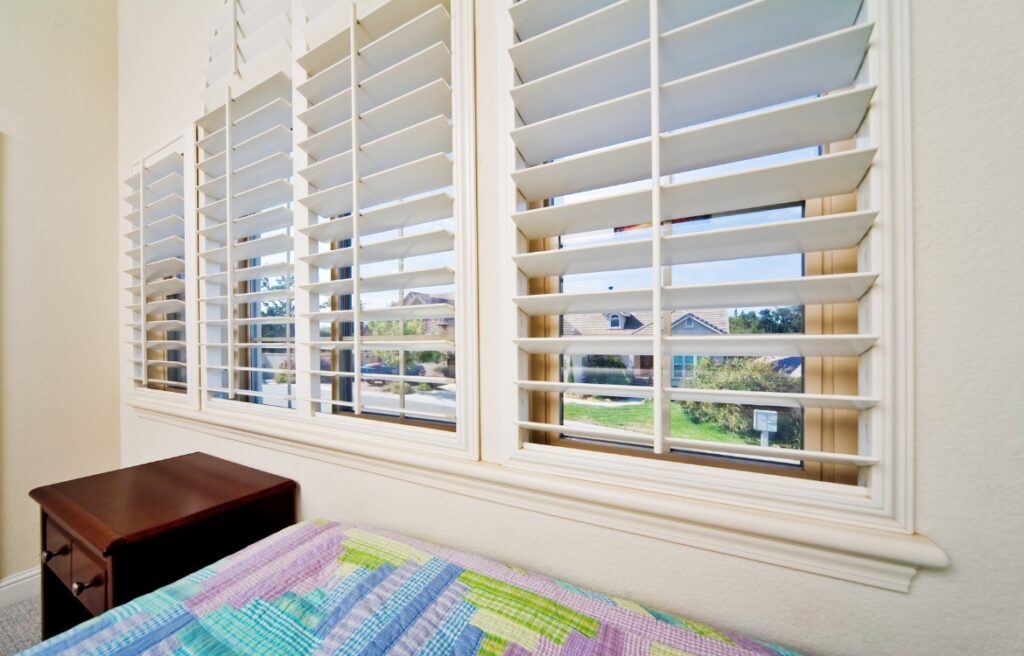

Improving energy efficiency is a priority for many Australian households due to rising power costs and the need for sustainable living. Shutters can play a significant role in achieving this by reducing heat gain in summer and heat loss in winter. Unlike standard window coverings, they act as an additional barrier, helping to stabilise indoor temperatures and reduce reliance on heating and cooling systems.
Upgrading existing shutters is a practical way to improve performance without replacing windows or making major structural changes. Simple improvements such as adding weather seals, upgrading hardware, or refinishing surfaces can make shutters more effective at insulating. In some cases, replacing panels with insulated materials or installing modern designs may be the best option.
These upgrades improve comfort, reduce energy costs, and extend the life of the shutters. Knowing when and how to update them ensures they continue to perform effectively over time.
Why Shutters Play a Role in Energy Efficiency
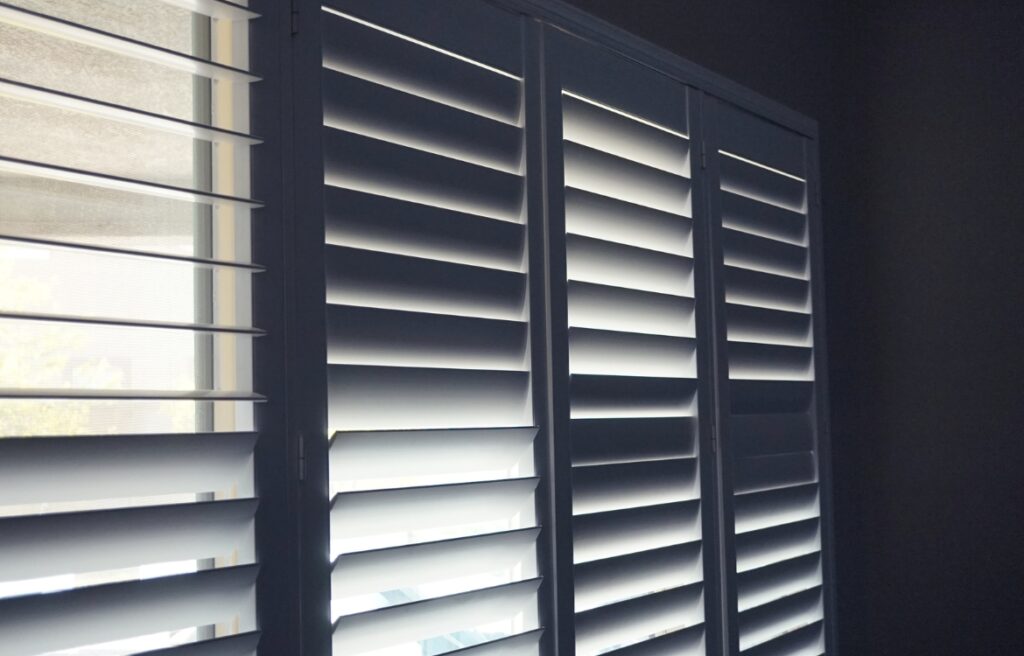
Shutters contribute to energy efficiency by creating a barrier between the window and outdoor conditions. Glass transfers heat quickly, and without protection, homes lose warmth in winter and absorb unwanted heat in summer. Shutters reduce this transfer, helping to keep indoor spaces at a more stable temperature. This lowers reliance on heaters and air conditioning, which can reduce household energy bills.
Modern shutters are often designed with insulation in mind, using durable materials and tight seals. Older ones, however, may not provide the same performance. Gaps, worn hardware, or outdated finishes allow air leakage, reducing their effectiveness. Upgrading these elements is a cost-efficient way to improve thermal performance without replacing the entire window system.
Shutters also support energy efficiency by improving control over light and airflow. Adjusting louvres or panels allows natural ventilation during cooler parts of the day, reducing the need for mechanical cooling. Combining these functions makes shutters a practical feature for homes in both warm and cool climates.
Types of Shutters Available
Different shutter materials offer varying levels of insulation, durability, and upkeep. Knowing the options helps homeowners choose upgrades that improve both comfort and efficiency.
- Aluminium shutters are strong and resistant to harsh weather, making them suitable for outdoor use in exposed areas. They do not warp and provide reliable protection year-round.
- Timber shutters act as natural insulators and add a classic look. They are effective at reducing heat transfer but need regular maintenance to protect against moisture and wear.
- PVC shutters are moisture-resistant and affordable, commonly used in kitchens, bathrooms, or areas exposed to humidity. They offer reliable performance but are less durable than aluminium or timber.
- Interior plantation shutters combine insulation with flexibility. Their adjustable louvres provide control over light, airflow, and privacy while supporting energy efficiency indoors.
If you are considering an upgrade, reviewing the full range of shutters available can help compare performance, style, and suitability for your property. The best choice will depend on location, climate, and household needs.
Improvements to Enhance Energy Efficiency
Upgrading shutters does not always require a full replacement. Several targeted improvements can increase their effectiveness and extend their lifespan.
- Weather sealing helps close gaps around the edges of shutters, reducing drafts and preventing heat transfer.
- Refinishing or repainting timber shutters protects against moisture and extends durability, keeping their insulating qualities intact.
- Upgraded hinges and tracks improve operation, ensuring shutters close tightly and form a better seal against outside conditions.
- Insulated panels or slats provide stronger thermal resistance compared to standard materials, reducing reliance on heating or cooling.
- Motorisation allows shutters to be adjusted throughout the day, making it easier to optimise natural light and ventilation.
These improvements are especially effective in older homes where windows may already allow heat loss or gain. Even small changes, such as adding seals or updating hardware, can have a noticeable effect on household comfort and energy costs.
When to Upgrade Your Shutters
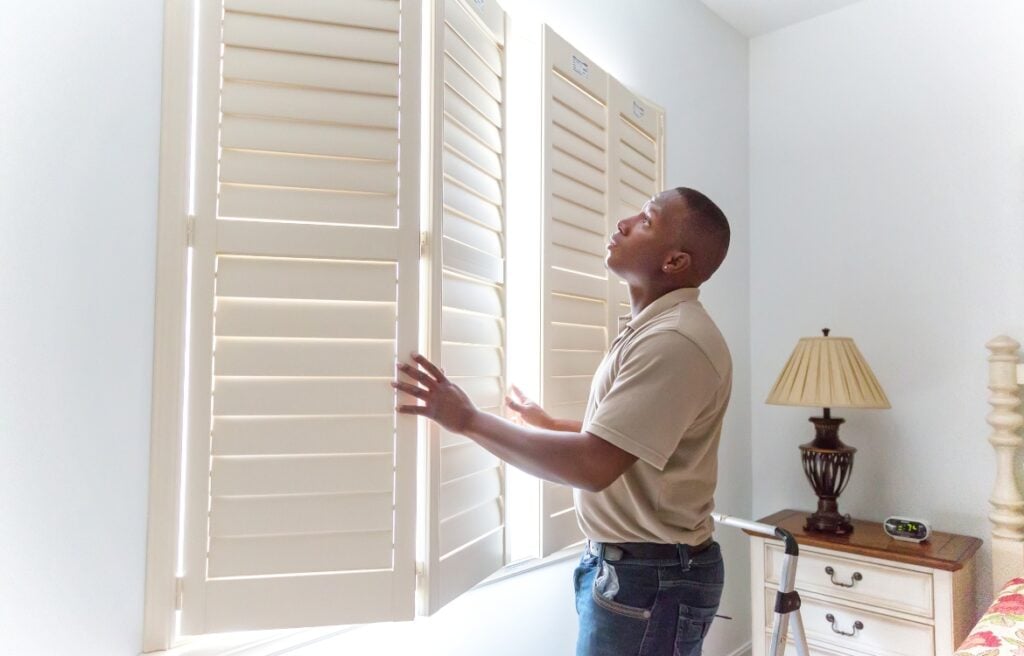
Knowing the right time to upgrade shutters helps maintain energy efficiency and comfort. Signs that action is needed include panels that no longer close properly, visible gaps around frames, or finishes that have faded, cracked, or peeled. These issues reduce the shutter’s ability to insulate and protect against external conditions.
Rising energy bills and noticeable indoor temperature fluctuations can also indicate that shutters are underperforming. If heating or cooling is required even in mild weather, it may no longer be providing adequate control over heat transfer.
Mechanical issues, such as difficulty moving panels or noisy, worn hardware, are further signs that servicing or replacement is due. Addressing these problems early prevents more serious failures and avoids higher costs later.
For households considering premium solutions, Australian Plantation Shutters supplies designs known for durability and insulation performance. Their interior shutters are particularly effective for improving energy efficiency while maintaining a consistent indoor appearance.
Why Professional Servicing Matters
While some shutter upgrades can be done at home, professional servicing ensures the work is completed correctly and the shutters perform as intended. Specialists can identify issues that may not be visible, such as worn seals, misaligned panels, or hardware that no longer provides a tight closure. Addressing these details improves insulation and helps prevent energy loss.
A technician can also advise on the most effective upgrade for a specific property. In some cases, refinishing may be enough to extend the life of timber shutters. In others, replacing panels with insulated materials or upgrading tracks and hinges may deliver greater improvements. This targeted approach avoids unnecessary costs while maximising results.
Professional servicing also helps shutters meet safety and building standards. Correct installation and adjustment reduce the risk of ongoing faults, ensuring it remains durable with regular use. Scheduling servicing as part of routine home maintenance supports consistent performance and energy savings.
Final Thoughts
Shutter upgrades are a practical way to improve energy efficiency in homes. They reduce heat transfer through windows, keeping interiors warmer in winter and cooler in summer. This lowers the need for heating and cooling systems, reducing energy costs.
Simple improvements such as adding weather seals, refinishing surfaces, upgrading hardware, or fitting insulated panels increase performance without requiring full replacement. Motorisation can also make shutters easier to adjust, helping to manage light and airflow during the day.
Regular checks are important. Signs such as panels that no longer close properly, damaged finishes, or higher energy bills show that servicing or upgrades are needed. Professional servicing ensures the shutters are adjusted correctly and that upgrades provide measurable benefits.
With the right maintenance and improvements, shutters continue to deliver insulation, durability, and reliable operation. Making timely upgrades extends their service life and supports both comfort and household efficiency.
FAQs About Shutter Upgrades
Do shutter upgrades qualify for energy rebates in Australia?
In some states, energy efficiency schemes provide rebates for home upgrades. Check with your local authority to see if shutters are included.
Can shutters reduce reliance on blinds or curtains?
Yes. Upgrades often replace the need for secondary coverings by managing light, airflow, and insulation in one system.
Are all shutter materials suitable for upgrades?
Not always. Aluminium and timber shutters can often be restored or upgraded, while low-cost PVC models may be cheaper to replace entirely.
Do upgraded shutters increase property value?
Yes. Buyers often view energy-efficient features as an advantage. Well-maintained shutters can improve both functionality and home appeal.
How long do energy-efficient shutters last after upgrading?
With proper servicing, it can typically last decades, even in homes with high daily use.