
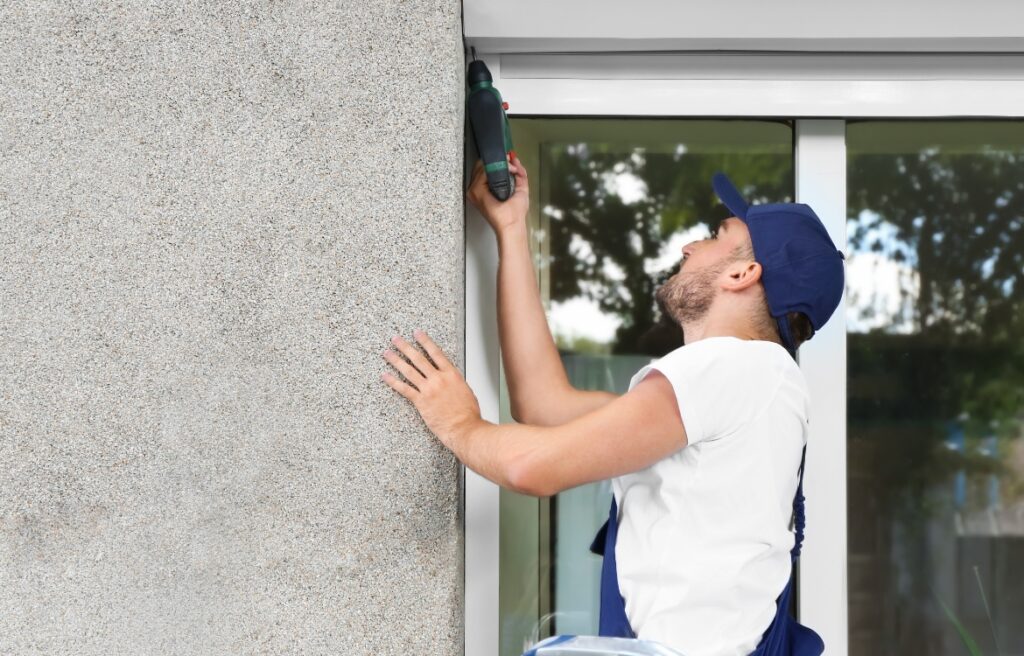

Weather has a direct impact on how long shutters last. In coastal areas like Newcastle, heat, rain, and salty air can slowly wear down materials and fittings. Even high humidity and occasional hail play a role in how well shutters perform over time.
Quality shutters act as a strong barrier against the elements, but constant exposure to changing weather means choosing the right materials is important. With proper care and the right finish, shutters can last for decades while keeping their appearance and strength.
This guide explains how different weather conditions affect shutter durability and what you can do to protect them year-round.
Understanding Weather Impact
Different weather conditions affect shutters in different ways. Heat, moisture, wind, and salt in the air can all reduce their lifespan if the materials aren’t made for local conditions.
Constant sunlight can fade paint or cause timber shutters to expand. Rain and humidity may lead to swelling or corrosion when coatings start to wear down. In coastal areas, salt in the air can damage hinges, frames, and other fittings over time.
Choosing durable materials and keeping shutters well maintained helps them handle harsh weather and stay strong for years.
Heat and Sun Exposure
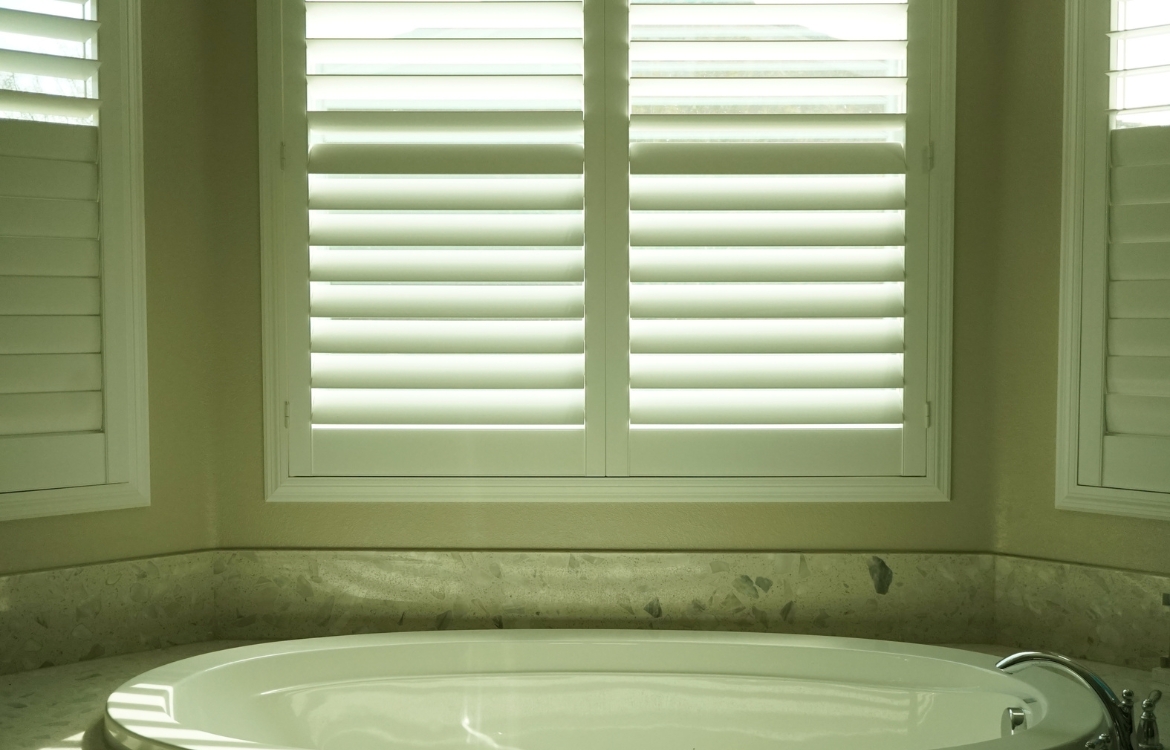
High temperatures and strong sunlight can slowly wear down shutter materials. Constant UV exposure may fade colours, weaken finishes, and cause minor warping over time.
Timber shutters are the most affected, as natural materials expand with heat. Aluminium and composite shutters resist this better because they are designed to handle direct sunlight and temperature changes.
To protect shutters from heat damage, choose light-coloured finishes that reflect sunlight and prevent surface cracking. Cleaning every few months also removes dust and pollen that can cause discolouration.
Rain and Humidity
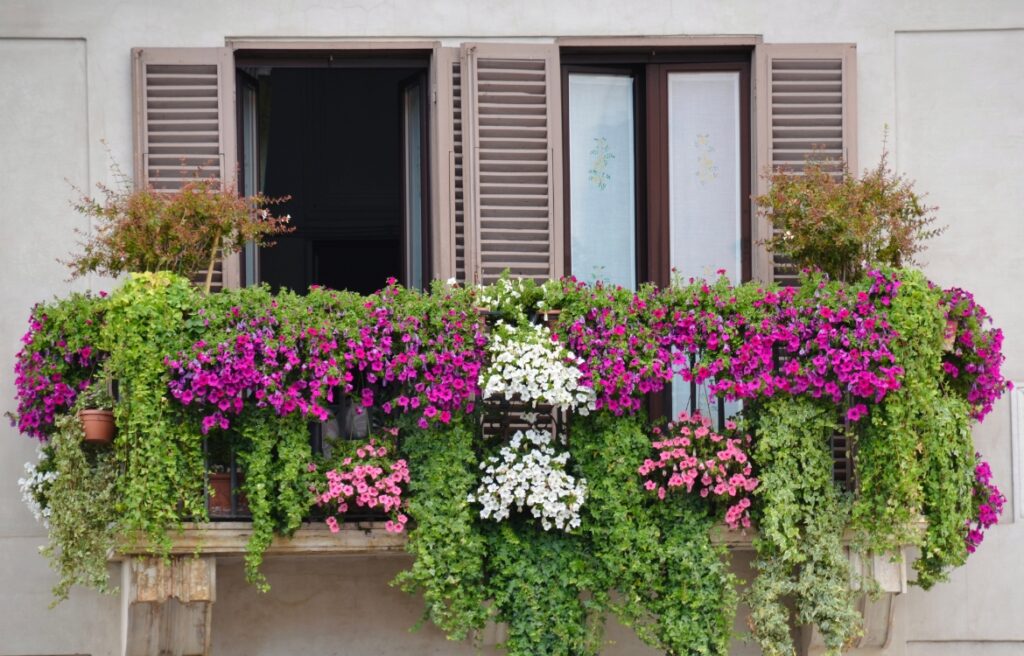
Moisture is one of the biggest factors that affect how long shutters last. Constant rain or high humidity can lead to swelling, corrosion, or peeling if shutters are not properly sealed.
Timber shutters are most vulnerable because wood naturally absorbs water. Composite and aluminium shutters handle wet weather better, especially when coated with a water-resistant finish.
It also helps to keep shutters clean and dry after heavy rain. Wiping away water spots and checking hinges for rust will stop small issues from turning into damage over time.
Hail and Impact Resistance
While hail is not common in Newcastle, it can still cause surface damage to shutters. Small dents or chips are usually cosmetic, but repeated impact can weaken thin or brittle materials over time.
Aluminium and reinforced composite shutters perform better under impact because they are built to resist cracking or denting. Timber shutters can also handle moderate force if they have a durable outer coating.
Checking for dents or loose fittings after a storm helps prevent long-term issues. Repainting or recoating shutters when needed keeps them strong and looking good for years.
Salt Air and Corrosion
Coastal air carries salt particles that can slowly damage shutters over time. These tiny crystals settle on surfaces and fittings, leading to corrosion or pitting, especially on metal parts.
Aluminium and powder-coated shutters resist salt exposure better than untreated materials. They form a protective barrier that prevents rust and helps maintain appearance even in harsh sea air.
Cleaning with fresh water and checking hinges every few months helps stop corrosion before it starts. Homes near the coast benefit most from shutters designed for marine conditions, as they can handle both salt and humidity without wearing down quickly.
Choosing the Right Shutters in Newcastle
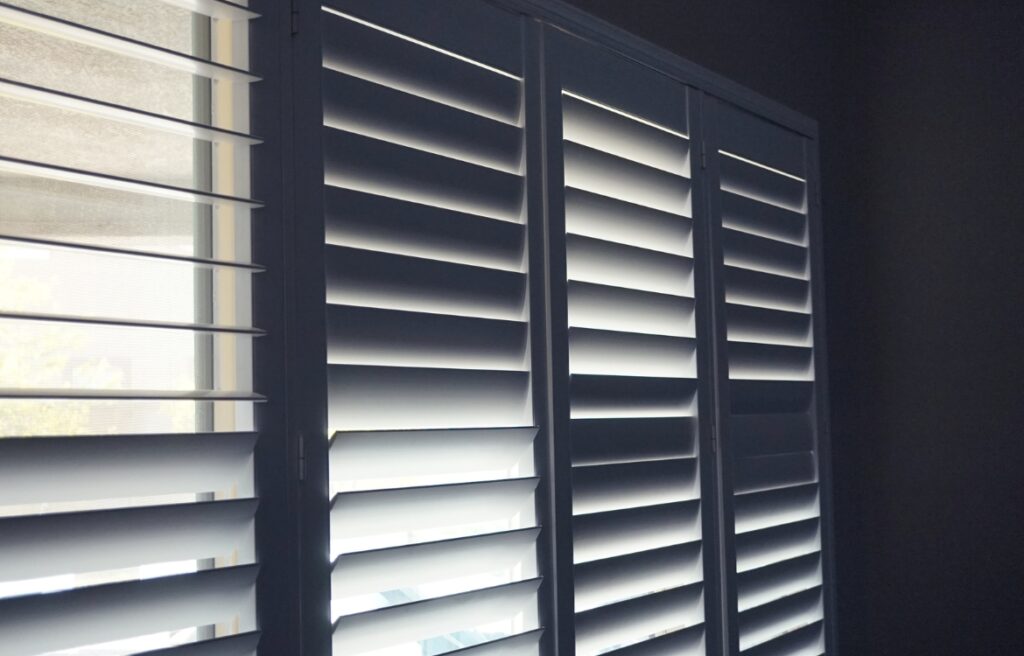
Choosing the right shutters makes a big difference in how well they hold up to local weather. Newcastle’s mix of heat, rain, and salt air means durable materials and finishes are essential for long-lasting performance.
Aluminium shutters are ideal in coastal locations because they resist corrosion and manage temperature changes well. Composite shutters are also a strong option, offering insulation and moisture protection with minimal upkeep.
If you prefer the look of timber, choose a high-quality hardwood with a weather-resistant seal. Proper coating helps protect against sunlight and moisture, keeping the shutters stable and attractive.
Shutters that suit local conditions will last longer, perform better, and stay looking great year after year.
Maintenance for Longevity
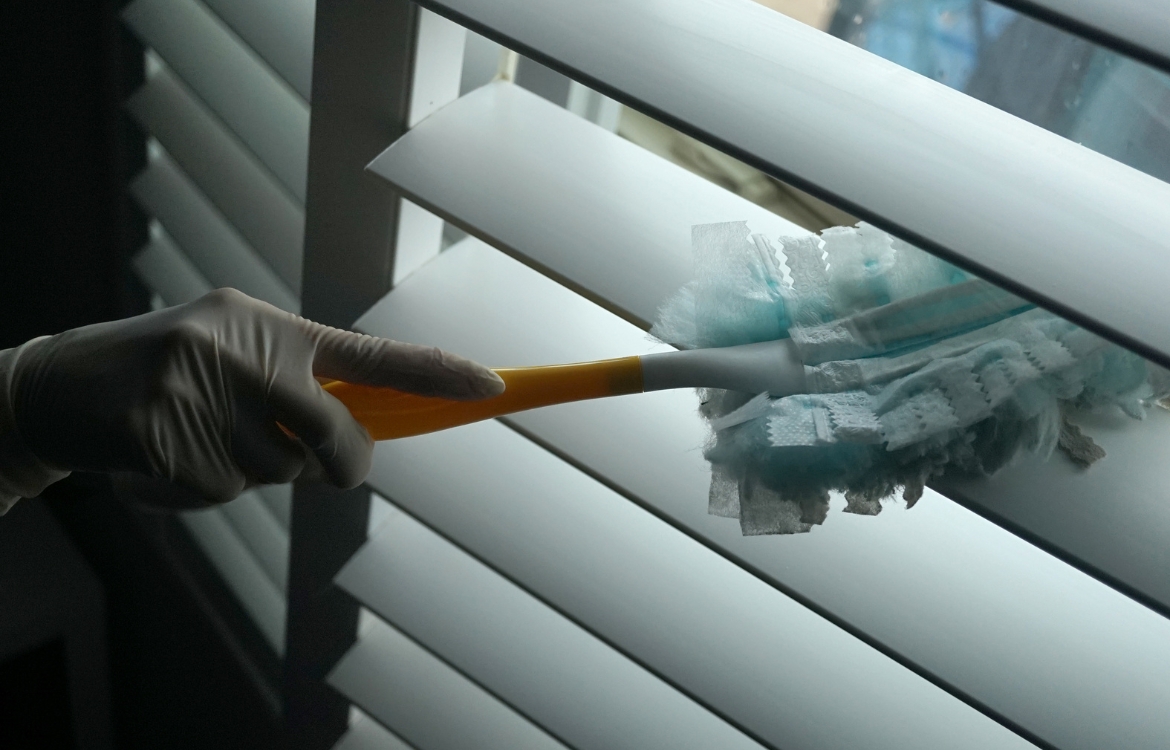
Proper care helps shutters stay strong and looking good even in coastal weather. Simple maintenance can prevent most wear caused by heat, salt, and moisture.
Here are easy ways to keep shutters in good condition:
- Clean with mild soapy water every few months to remove salt and dust.
- Rinse with fresh water if your home is near the beach to wash away salt build-up.
- Check hinges and fittings for signs of rust or stiffness.
- Apply lubricant to moving parts to keep them smooth and quiet.
- Recoat painted or timber shutters when surfaces start to fade or lose protection.
These small steps help prevent corrosion, protect finishes, and extend the life of shutters in all weather conditions.
Benefits Beyond Durability
Shutters built to handle tough weather offer more than just protection. They make everyday living more comfortable and improve how a home looks and feels.
A well-designed shutter system helps balance light, reduce noise, and protect interiors from the elements. Over time, these features create a quieter, more efficient home that looks great in any season.
| Benefit | Why It Matters |
| Energy efficiency | Shutters keep heat out in summer and help retain warmth during cooler months, lowering energy use. |
| Comfort and light control | Adjustable slats make it easy to manage sunlight, airflow, and privacy. |
| Protection for interiors | Shutters prevent UV damage that can fade furniture, flooring, and curtains. |
| Quieter living spaces | The solid build helps reduce outside noise from traffic and wind. |
| Lasting street appeal | Quality shutters lift the look of a property and maintain their style for years. |
Shutters that combine strength, comfort, and design give homes lasting value while standing up to Australia’s changing conditions.
Keep Your Shutters Protected
At Shutters Newcastle, we know how much coastal weather can affect your shutters. Heat, wind, and salt air all play a part in how well they perform over time. That’s why choosing the right materials and caring for them properly is key to keeping them strong and looking their best.
If your shutters need attention or you’re thinking about upgrading to a more durable option, our team can help. We supply and install shutters built to handle local conditions and keep your home protected in every season.
FAQs
How does coastal weather affect shutter lifespan?
Coastal air carries salt that can cause corrosion on metal parts and finishes. Choosing rust-resistant or powder-coated shutters helps prevent damage and extend their life.
Do high temperatures shorten the life of shutters?
Extreme heat can cause some materials to expand and fade. Aluminium and UV-protected finishes handle heat well, keeping shutters stable and looking new for longer.
Can heavy rain or humidity damage shutters?
Yes, moisture can lead to swelling or corrosion if shutters aren’t sealed properly. Water-resistant finishes and routine cleaning help prevent long-term wear.
Are aluminium shutters better for coastal conditions?
Yes, aluminium shutters resist rust and salt corrosion better than most materials. They’re ideal for coastal homes where sea air and humidity are constant.
What maintenance helps shutters last longer in changing weather?
Wiping shutters with fresh water every few months removes salt and dirt that can break down protective coatings. Keeping hinges clean and coated also helps prevent corrosion.